
Status — Updated November 21, 2026
New: Cinnamon 30mg 7-OH tablets are in stock while supplies last, shipping to 21 states. For the dated scheduling record, see the 7-OH Ban Timeline. 21+ only.
Last updated October 13, 2026. This is a plain-language summary of public federal announcements, not legal advice. Rules change quickly; always confirm current status before you buy or sell.
What happened
On October 9, 2026, the U.S. Department of Health and Human Services (HHS) issued a scientific recommendation on concentrated 7-hydroxymitragynine (7-OH) products, and the Department of Justice announced that the Drug Enforcement Administration (DEA) will reissue a Notice of Intent to temporarily place 7-OH into Schedule I.
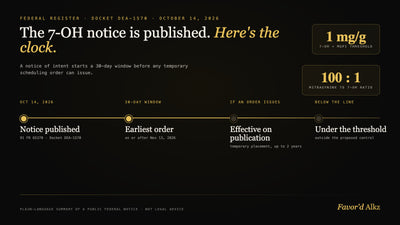
Two things matter here. First, a Notice of Intent is not a final order — it opens a new 30-day period before the DEA can issue a temporary scheduling order. Second, the recommendation draws a clear line between ordinary, full-spectrum kratom and intentionally concentrated or “enhanced” 7-OH products.
The recommended thresholds
HHS recommended Schedule I control of a product when either of the following is true:
- The amount of 7-OH and mitragynine pseudoindoxyl (MGPI) — alone or combined — exceeds 1 milligram per gram in a solid product (or 1 milligram per milliliter in a liquid); or
- The ratio of mitragynine to 7-OH / MGPI is less than 100 to 1.
In plain terms: products at natural, leaf-like alkaloid levels fall below the line, while products concentrated well above those levels fall above it.
What this means for full-spectrum kratom
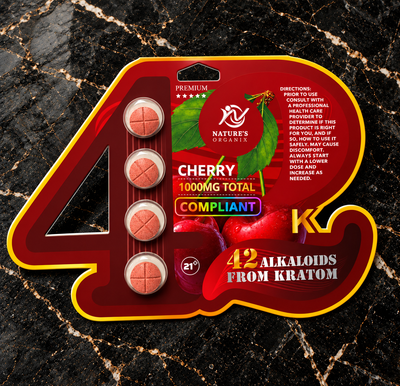
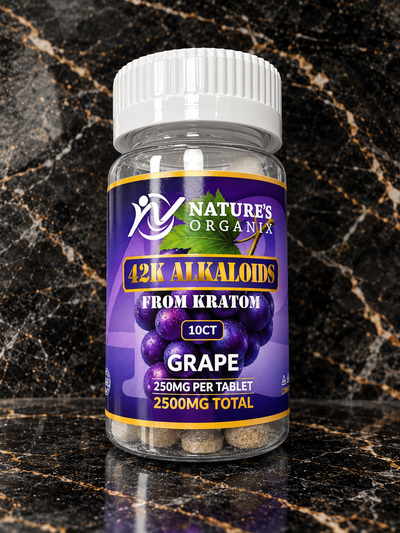
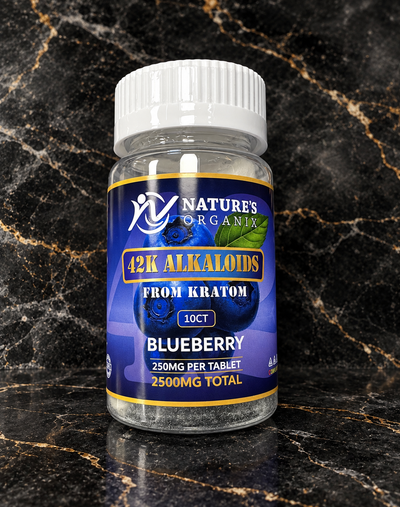
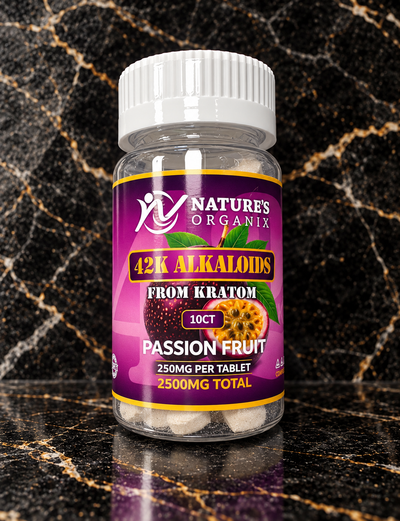
Standard full-spectrum kratom tablets and capsules — made from the whole leaf, with only the small amount of 7-OH that naturally occurs — generally sit below the recommended 1 mg/g threshold. Under the guidance as written, those products are not the target of this action.
What this means for concentrated 7-OH tablets
Highly concentrated 7-OH tablets are a different category. By design they contain far more 7-OH than whole-leaf kratom, which places them above the recommended threshold. If and when the DEA issues its temporary scheduling order, these concentrated products would be affected.
What comes next
- A 30-day Notice of Intent period runs from the October 9 announcement.
- After that period, the DEA may issue a temporary scheduling order. Based on the stated timeline, that step is expected in the early-to-mid November range, though the agency sets the actual date.
- The previously announced temporary controls on related analogs (MGPI, MGM-15, MGM-16) remain in effect in the meantime.
Our position
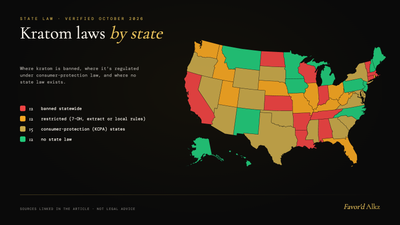
We follow federal and state law as it stands and update availability as it changes. Full-spectrum products remain available where legal. Where law restricts a product class in a given state, our checkout blocks it — not just hides it. We will adjust the moment any final federal action publishes.
Sources
- U.S. Department of Justice — Office of Public Affairs, press release, October 9, 2026.
- U.S. Department of Health and Human Services — press room announcement on recommended thresholds for enhanced kratom products, October 2026.
For adults 21+. These statements have not been evaluated by the FDA and are not intended to diagnose, treat, cure, or prevent any disease. This article is general information, not legal advice.