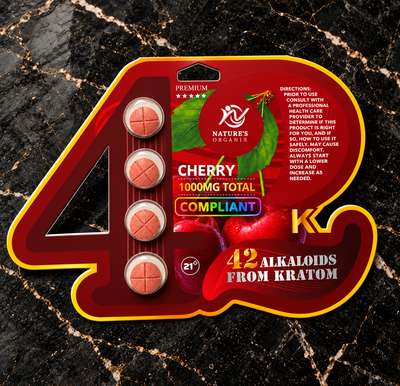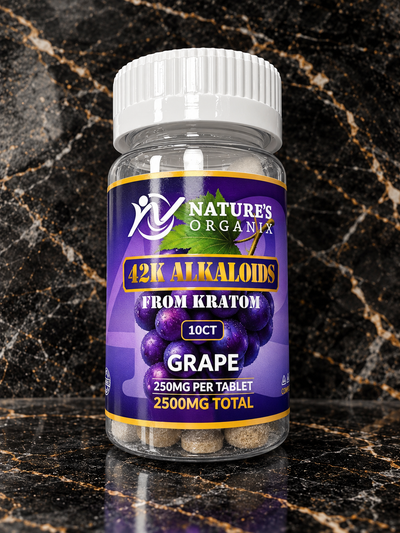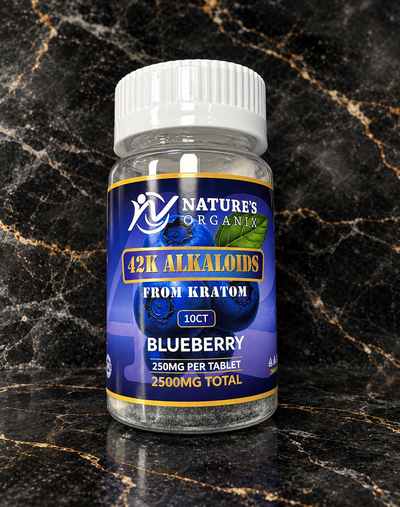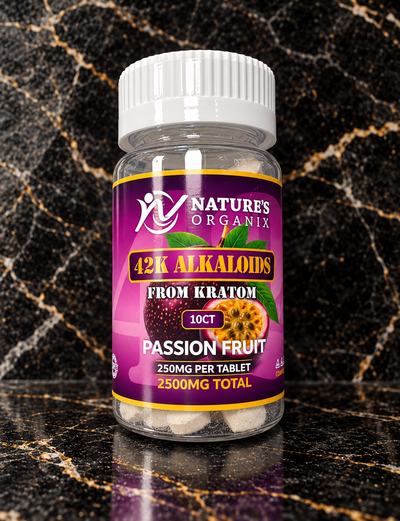

Are 7-OH and kratom the same thing? Not exactly. Both come from the same plant, Mitragyna speciosa (kratom), but they are not interchangeable. Natural kratom leaf and powder are dominated by the alkaloid mitragynine, with 7-hydroxymitragynine (7-OH) present only in trace amounts. Modern "7-OH" products concentrate that minor alkaloid far above its natural trace level. Because of that difference in concentration, regulators tend to treat the two categories differently, with concentrated 7-OH products drawing greater scrutiny than natural leaf. Rules change and vary by state, so always confirm the current federal and local status before buying.
What is 7-OH (7-hydroxymitragynine)?
7-OH is short for 7-hydroxymitragynine, one of the many alkaloids found in the kratom plant, Mitragyna speciosa. In the raw leaf it occurs only in trace amounts, making it a "minor" alkaloid by weight. What people mean when they say "7-OH products" today are items in which this single alkaloid has been concentrated far above the trace level found in nature. That concentration is the defining feature of the modern 7-OH category and the main reason it is discussed separately from kratom leaf.
What is kratom leaf?
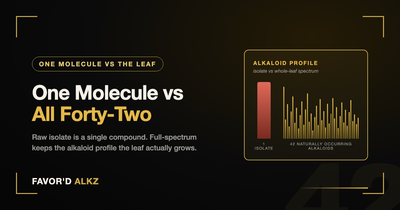
Kratom leaf refers to the leaves of Mitragyna speciosa, a tree native to Southeast Asia. When those leaves are dried and ground, the result is kratom powder. The most abundant alkaloid in natural kratom leaf is mitragynine, which is why mitragynine is described as the primary or dominant alkaloid of the plant. Traditional kratom powder is essentially the whole botanical, milled but not chemically concentrated to isolate or elevate any one alkaloid.
Is 7-OH the same as kratom?
They share a source but differ in composition. Think of it this way: kratom leaf is the whole plant material, dominated by mitragynine, with 7-OH naturally present in only trace amounts. A concentrated 7-OH product deliberately elevates that minor alkaloid well above its natural trace level. So "7-OH" and "kratom leaf" are related, but they are distinct product categories with different alkaloid profiles and different concentrations. Saying they are identical would be inaccurate.
How do 7-OH and kratom leaf compare?
| Attribute | Concentrated 7-OH | Natural Kratom Leaf / Powder |
|---|---|---|
| Botanical origin | Mitragyna speciosa (kratom plant) | Mitragyna speciosa (kratom plant) |
| Dominant alkaloid | 7-hydroxymitragynine (7-OH) | Mitragynine |
| Concentration | 7-OH concentrated far above its natural trace level | Whole-leaf material; 7-OH present only in trace amounts |
| Common formats | Tablets and other concentrated formats | Loose powder (milled dried leaf) |
| Regulatory treatment | Draws greater regulatory scrutiny; status evolving at the federal and state level | Generally treated as a separate category; confirm current local rules |
Why does concentration matter for classification?
The single biggest distinction between the two categories is how much 7-OH is present. Natural kratom leaf contains 7-OH only in trace amounts, while concentrated 7-OH products elevate it well beyond that. That difference is exactly what regulators have keyed on: concentrated 7-OH products face greater scrutiny than natural leaf, which is generally treated as a separate category. In other words, the classification tends to track concentration, not simply which plant the material came from.
Because regulatory status can change and often varies by state and locality, always confirm the current rules where you live before purchasing either category. This article is general information, not legal advice.
What product formats are available?
The two categories tend to show up in different formats. Natural kratom is most commonly sold as loose powder milled from dried leaf. Concentrated 7-OH is more often offered in measured formats such as tablets. Format is largely a matter of how the material is prepared and portioned rather than a difference in the underlying plant.
How do you verify quality for either one?
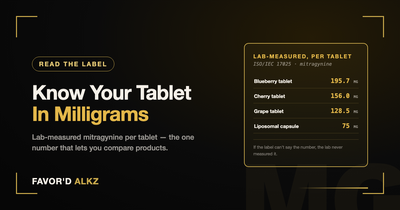
Regardless of category, quality is verified the same way: through independent, third-party laboratory testing. Reputable products are tested by an ISO/IEC 17025-accredited lab, and the results are published as a Certificate of Analysis (COA). A COA lets you confirm what a product actually contains before you buy it. You can review our published lab results and COAs to see this in practice. If a seller cannot provide a COA from an accredited lab, that is a meaningful gap in transparency.
Businesses interested in wholesale or bulk sourcing can find B2B information at 7ohblack.com.
Frequently asked questions
Is 7-OH the same as kratom?
No. Both are derived from the same plant, Mitragyna speciosa, but kratom leaf is dominated by mitragynine with 7-OH present only in trace amounts, while concentrated 7-OH products elevate that minor alkaloid far above its natural level. They are related but distinct categories.
What is 7-OH?
7-OH stands for 7-hydroxymitragynine, a minor alkaloid naturally found in trace amounts in the kratom plant. In modern products, it is concentrated well above those trace levels, which is what defines the 7-OH product category.
What is the difference between 7-hydroxymitragynine and kratom?
The key differences are the dominant alkaloid and the concentration. Kratom leaf is dominated by mitragynine; concentrated 7-OH products are dominated by 7-hydroxymitragynine at levels far above what occurs naturally in the leaf.
Are 7-OH and kratom leaf regulated the same way?
No. Concentrated 7-OH products face greater regulatory scrutiny than natural kratom leaf, which is generally treated as a separate category. Regulatory status can change and varies by state, so always check the current federal and local rules before purchasing.
How can I verify the quality of a 7-OH or kratom product?
Look for third-party testing from an ISO/IEC 17025-accredited lab and a published Certificate of Analysis (COA). Our lab results page shows COAs you can review before purchasing.
These statements have not been evaluated by the Food and Drug Administration. This product is not intended to diagnose, treat, cure, or prevent any disease. For adults 21 and older, where legal.
Research & sources: kratom leaf chemistry and 7-OH facts in this article are drawn from peer-reviewed literature and primary regulatory sources.
- Takayama (2004), Chem. Pharm. Bull. — alkaloid profile of Mitragyna speciosa; 7-OH ≈2% of the alkaloid fraction
- Flores-Bocanegra et al. (2020), J. Nat. Prod. — at least 54 alkaloids identified in kratom leaf
- FDA — 7-hydroxymitragynine — the federal view of natural vs concentrated 7-OH
- Favor'd Alkz Regulation Map — current state-by-state shipping status
Shop The New Lineup
Full-spectrum, naturally derived kratom tablets and liposomal capsules — every alkaloid as the leaf made it, including naturally occurring 7-OH. Lab-tested ISO/IEC 17025; the capsule COA is published and all other certificates are available on request.
Kratom Tablets · 7-OH Ban Timeline · Lab Results
Keep Reading